Overview
I designed and built honeydew, please, a progressive web app that lets partners manage shared to-do and shopping lists in real time, across any device. It started as a personal problem: my husband is on Android, I'm on iOS, and we couldn't find a single app that did what we needed without charging a monthly fee or burying a simple list under features we'd never use. So I made it myself, using Figma Make and Lovable to go from sketches to a working, installable app.
Context*
My husband and I are star-crossed lovers, and by that I mean my phone runs iOS and his runs Android. We thought that in 2025, we would have a plethora of options for apps that let us simply share to-do and shopping lists.
I could be totally wrong and we might have not searched hard enough, so let me know if you find an app lets users read, add, edit, complete, and delete the same items in the same lists without the calendar or planning aspects, that doesn't need us to pay for a subscription, and that looks like it was actually made in the roaring twenties of the 21st century.
*tl;dr: We couldn't find anything like this, so I made it.
Problem
The actual pain is mundane but constant: one of us buys milk because the other didn't mark it off. A task sits undone because it wasn't clear whose job it was. We're texting each other "did you get the thing?" when we're both already at the store.
Every existing solution was either too complex (full project management tools), platform-locked, or wanted us to pay monthly for a shared grocery list. The gap wasn't a lack of apps, it was a lack of apps that did the simple thing simply.
Our challenge: build something that worked cross-platform, in real time, required no subscription, and looked like it was actually made in the roaring twenties of the 21st century.
Project Role
- Sole product designer and vibe coder: end-to-end, from FigJam sketches to shipped PWA
- Designed in Figma, built iteratively using Figma Make and Lovable
- Made all product, UX, and visual design decisions
Design
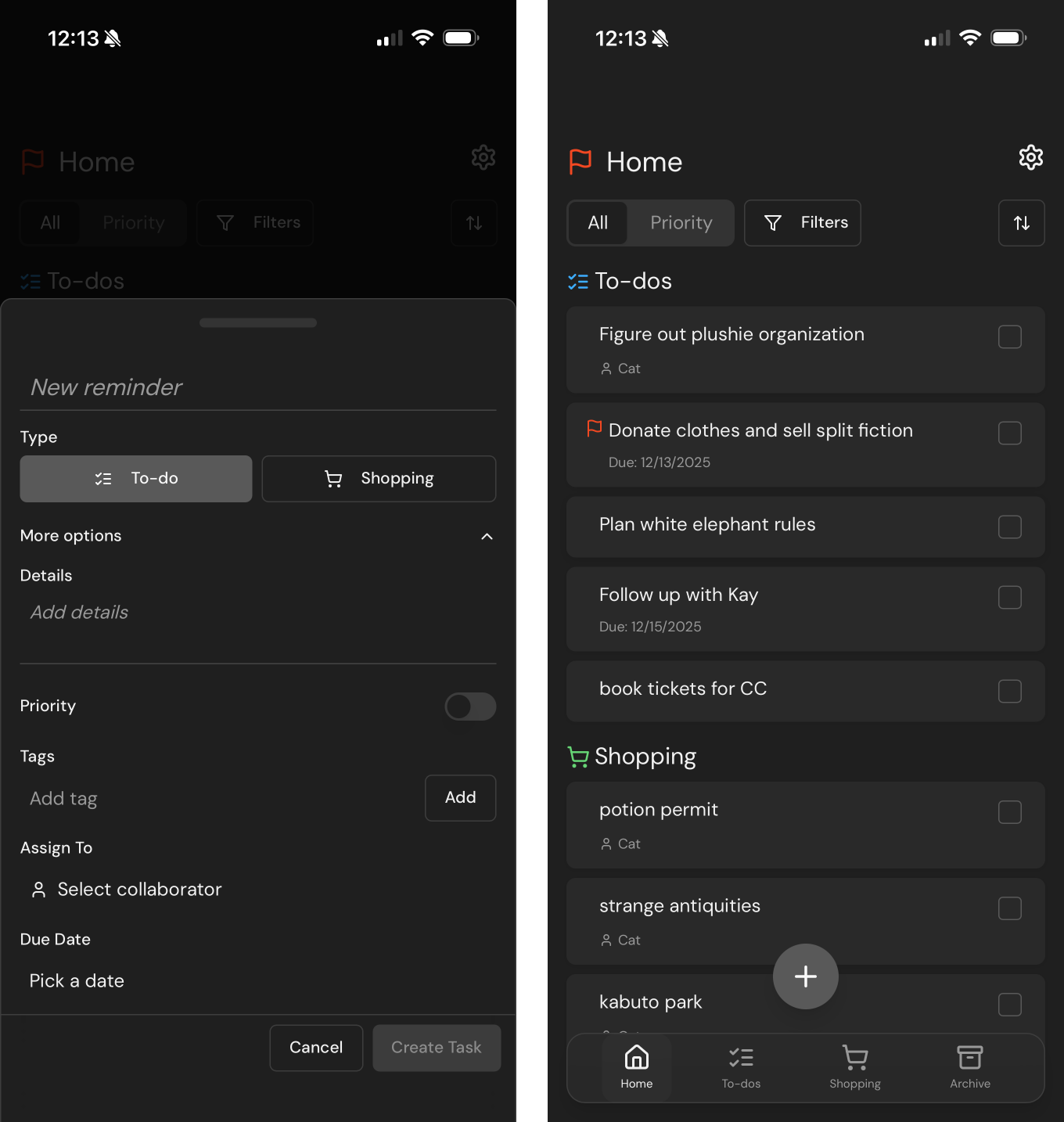
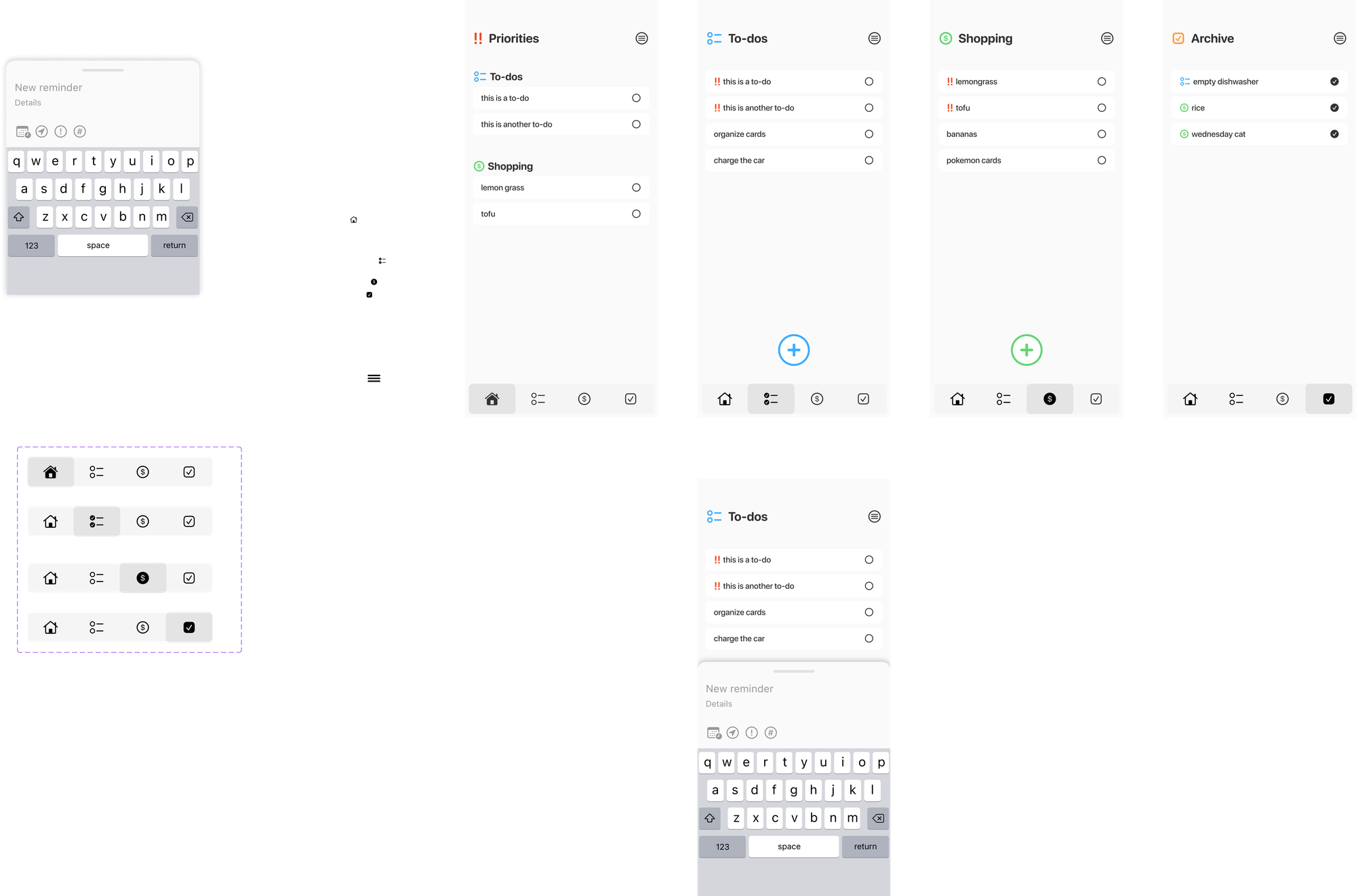
Because the app was intentionally minimal, the design didn't need to be complicated. Users needed to create, read, update, and delete tasks; share a workspace with another person; and do all of it in real time. I sketched screens in FigJam first, then moved into Figma for higher fidelity.
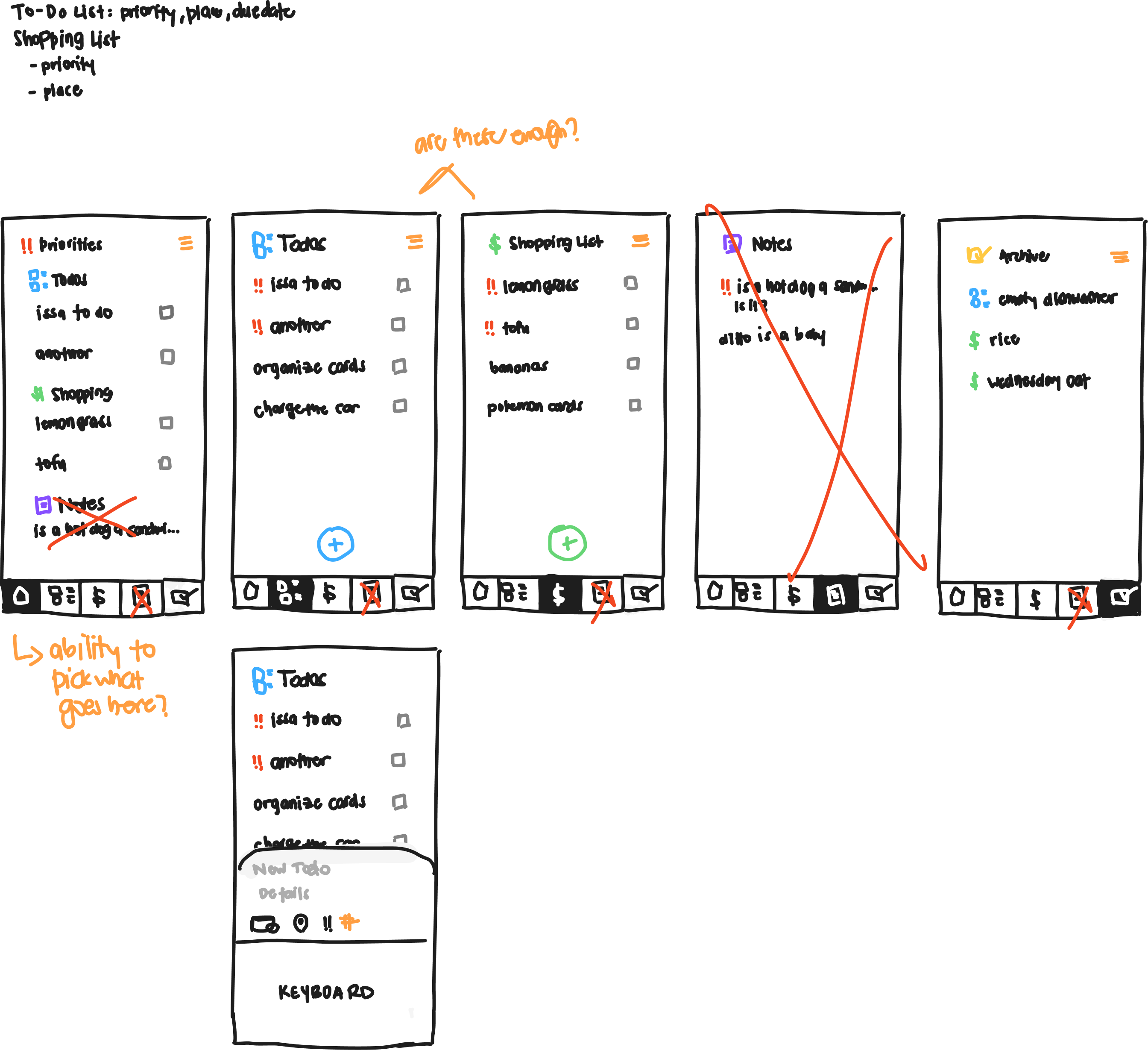
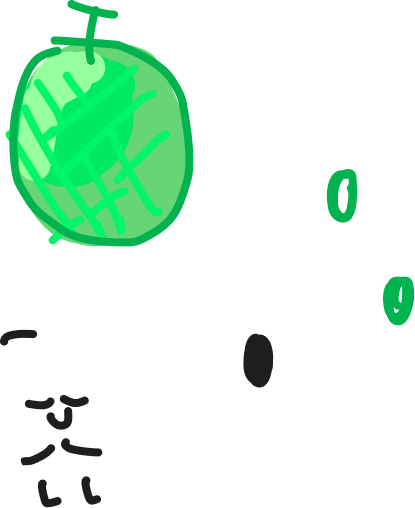
Initial Figjam sketches (left), initial branding doodles (right)
The name came naturally: a "honey do" list, but make it a fruit. honeydew, please. It's a play on the classic household task list that one partner hands the other, softened with a "please" because we have manners. I sketched a honeydew melon as the logo and liked it enough to keep the sketch. Same instinct as the bee with me logo; sometimes the hand-drawn version has more charm than anything high-fidelity would.
Building with AI
For this project I used both Figma Make and Lovable, and working with both back to back taught me a lot about how differently they interpret designer intent.
Figma Make tends to execute exactly what you specify, which sounds ideal, but in practice meant that if I attached a design with a drawer, it would render a modal instead, and if I added a settings icon without describing its behavior, it would just sit there, doing nothing. No assumptions filled in. Lovable, by contrast, will make reasonable inferences and fill gaps — sometimes too liberally, sometimes exactly right.
Neither is better. But knowing the difference changes how you prompt. With Figma Make, you have to be exhaustive. With Lovable, you can be conversational.
My prompting style across both tools was spatial and iterative; less "build me X" and more:
- "decrease left-right padding on this container"
- "the margin is still so wide, what's happening here?"
- Screenshots with annotations pointing directly at the problem
This is just how I work in Figma too. Nudge, squint, nudge again.
One thing I ran into with Figma Make: when I tried to share the working preview with my husband for testing, updates between us weren't syncing. After troubleshooting, I found out it's an architectural difference: Figma Make uses serverless hosting for previews, which means the full real-time PWA experience doesn't come through until you deploy. Lovable handles this earlier in the process. Neither is wrong, but it matters when your whole point is testing real-time collaboration.
Design Decisions Worth Calling Out
The app is small, but small surfaces require the most opinionated decisions.
Home as the default view. Rather than making users choose between "to-dos" or "shopping" before they can see anything, the Home tab shows everything together, prioritized. The question the app answers first is "what do I need to do?" and not "which list do you want?"
Hiding information in context. Task cards show a type icon (to-do vs. shopping) but only when you're in the Home view. If you've already filtered to Shopping, showing a shopping icon on every item is just noise.
The 600ms completion delay. When you check off a task, there's a brief pause before it disappears, long enough for the strikethrough to register, short enough not to feel broken. Without it, items just vanish and the interaction feels cheap.
Collaboration lives in settings. Workspace management and invitations are tucked into a settings sheet, not surfaced in the main task flow. If you're using the app solo, you never see it. This was a deliberate progressive disclosure choice because collaboration is a layer, not a requirement.
No account required. The app works with local storage before you ever sign up. Lower friction at the door, higher trust before asking for an email.
Outcome
The app is live, installable as a PWA on iOS, Android, and desktop, and it does exactly what I set out to build: two people, different phones, same list, real time. My husband and I use it. It works.
Beyond our household, building it reinforced something I keep coming back to with AI-assisted design: the AI handles implementation, but the design judgment has to stay human. What to show, what to hide, and how something feels when you tap it aren't things a prompt can decide. The 600ms delay, the home view defaulting to everything, and the hand-drawn honeydew on the logo came from having opinions, not from asking Lovable to figure it out.
The result feels designed. That distinction matters.
honeydew, please.
For star-crossed lovers who aren't on the same OS, a real-time collaborative to-do and shopping list app for partners who just want to get things done.